-webp.webp)
Choosing the Right Tyres and Bearings for Optimal Vehicle Performance
Tyres and bearings are critical components that directly affect vehicle performance, safety, and longevity. Whether for two-wheelers, heavy vehicles, or industrial machinery, selecting the right tyres and bearings ensures smoother operation, enhanced stability, and reduced maintenance costs.
Understanding the types, applications, and maintenance of these components is essential for anyone managing vehicles or industrial equipment.
Types of Tyres
Tyres vary depending on vehicle type, road conditions, and performance requirements. Common categories include:
-
Passenger Vehicle Tyres: Designed for comfort, stability, and fuel efficiency.
-
Heavy Vehicle Tyres: Built to carry heavy loads, provide durability, and ensure safety over long distances.
-
Two-Wheeler Tyres: Engineered for grip, balance, and agility, particularly important for motorcycles and scooters.
-
Industrial Tyres: Used in forklifts, construction machinery, and specialized vehicles, optimized for rough terrain and heavy-duty applications.
Choosing the correct tyre type is crucial for maximizing performance and minimizing wear.
The Importance of Bearings
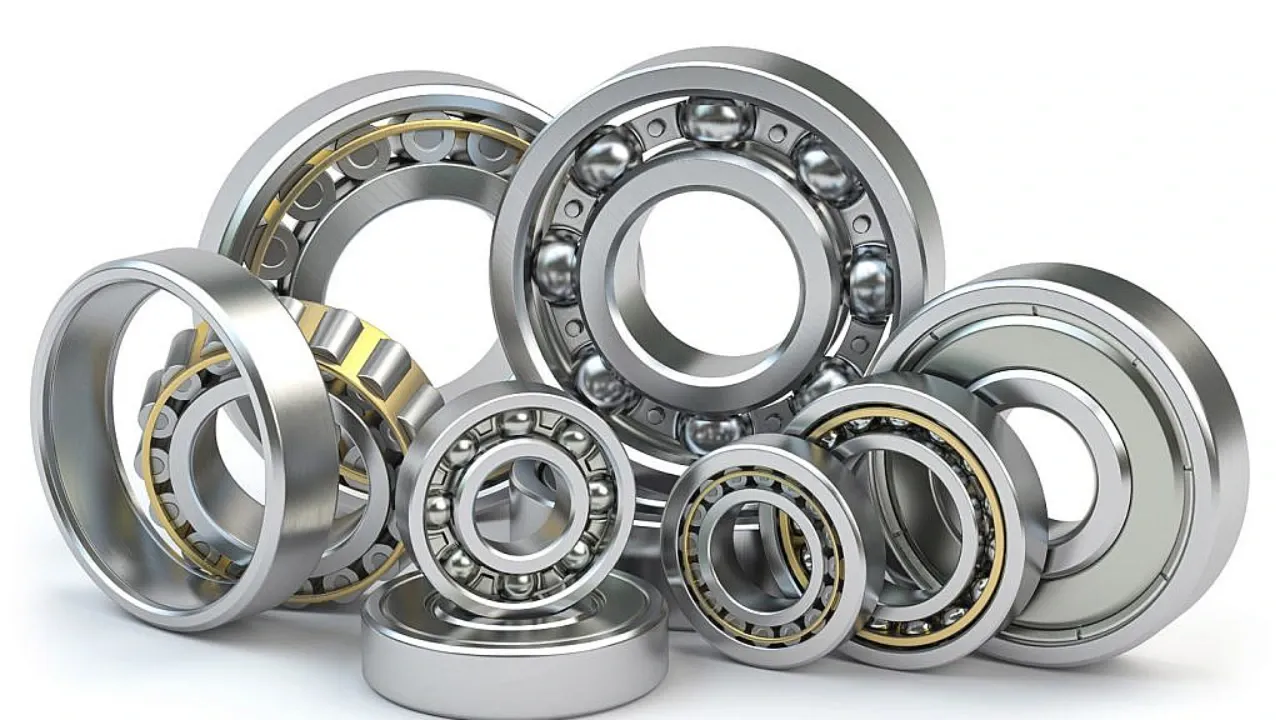
Bearings play a vital role in reducing friction between moving parts, ensuring smooth rotation, and supporting loads. High-quality bearings improve efficiency, reduce noise, and prevent premature component failure.
Industrial and automotive applications use various types of bearings, such as ball bearings, roller bearings, and tapered bearings, depending on load capacity, speed, and environmental conditions.
Factors to Consider When Selecting Tyres and Bearings
Several key factors influence the choice of tyres and bearings:
-
Load Capacity: Ensure tyres and bearings can handle the vehicle or equipment weight.
-
Durability: Consider materials, tread patterns, and construction for long-lasting performance.
-
Speed and Performance: Match tyre speed ratings and bearing precision to operational requirements.
-
Environmental Conditions: Select components designed for extreme temperatures, wet surfaces, or off-road conditions.
-
OEM Compatibility: Using OEM-certified tyres and bearings ensures optimal performance and warranty compliance.
Making the right selection reduces maintenance frequency and operational disruptions.
Maintenance Tips for Longevity
Proper maintenance of tyres and bearings extends their life and improves safety:
-
Tyres: Regularly check air pressure, rotate tyres periodically, and inspect for wear and damage. Proper alignment ensures even wear and better handling.
-
Bearings: Clean and lubricate bearings as per manufacturer guidelines, avoid contamination, and replace worn-out parts promptly.
-
Storage: Store spare tyres and bearings in dry, temperature-controlled environments to prevent degradation.
Following a maintenance schedule reduces unexpected failures and operational downtime.
Impact on Vehicle Efficiency and Safety
Choosing the right tyres and bearings enhances fuel efficiency, vehicle stability, and safety. High-quality components reduce rolling resistance, improve grip, and prevent mechanical failures.
In industrial machinery, proper bearings ensure smooth operation, reduce energy consumption, and prevent costly downtime. Investing in premium-quality tyres and bearings is a cost-effective strategy for long-term operational efficiency.
Future Trends
Innovations in materials, manufacturing techniques, and IoT-enabled monitoring are shaping the future of tyres and bearings. Smart tyres with embedded sensors can track wear, pressure, and performance in real-time, while advanced bearings reduce friction and energy loss.
As technology evolves, businesses and vehicle owners who adopt these innovations can improve productivity, safety, and sustainability.

 Chat Now