-webp.webp)
Maximizing Vehicle Performance with High-Quality Lubricants and Spare Parts
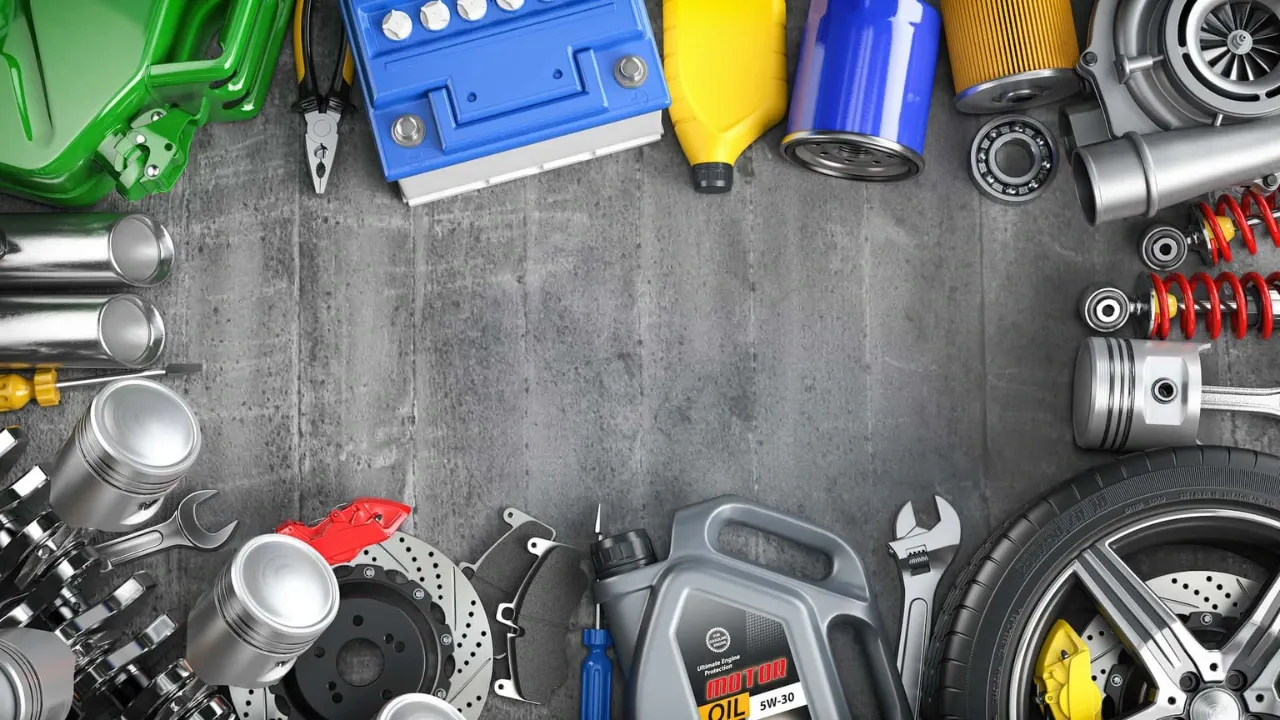
Every vehicle or industrial machine relies on high-quality lubricants and spare parts for smooth, efficient operation. Lubricants reduce friction, prevent wear, and enhance component longevity, while genuine spare parts ensure optimal performance and safety.
Choosing the right products and maintaining them effectively is essential for service centers, fleet operators, and industrial users.
The Role of Lubricants in Vehicle Performance
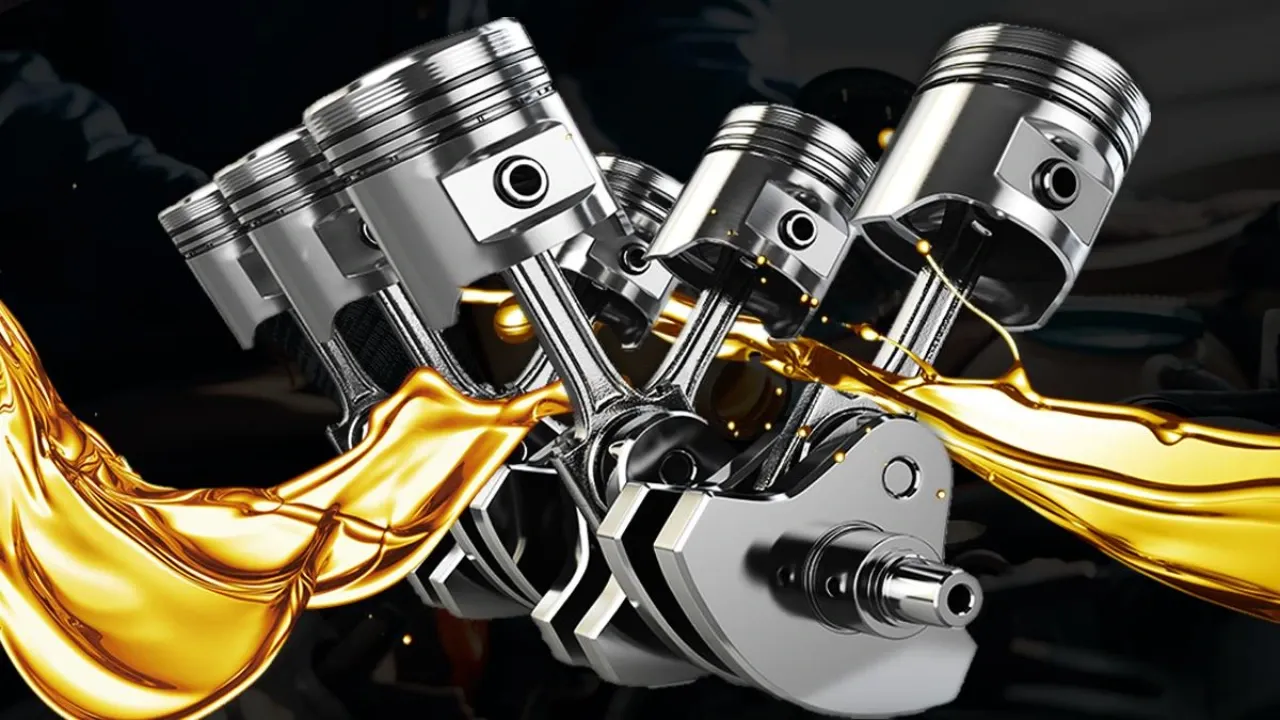
Lubricants act as a protective layer between moving components, preventing direct metal-to-metal contact. This reduces friction, heat buildup, and component wear.
Key benefits of using high-quality lubricants include:
-
Improved engine efficiency and performance
-
Extended lifespan of engine, gearbox, and hydraulic components
-
Reduced maintenance frequency and repair costs
-
Better resistance against corrosion and deposits
For industrial applications, lubricants also protect machinery operating under high load and temperature, ensuring uninterrupted productivity.
Types of Lubricants
Automotive and industrial lubricants come in various types depending on their application:
-
Engine Oils: Essential for internal combustion engines, available in synthetic, semi-synthetic, and mineral grades.
-
Gear Oils: Designed for smooth transmission and gear operation, reducing wear and preventing overheating.
-
Hydraulic Oils: Used in machinery with hydraulic systems to ensure precise motion control.
-
Greases: Provide long-lasting lubrication in joints, bearings, and other high-friction points.
Selecting the correct lubricant type and grade is crucial for achieving optimal performance.
Importance of Genuine Spare Parts
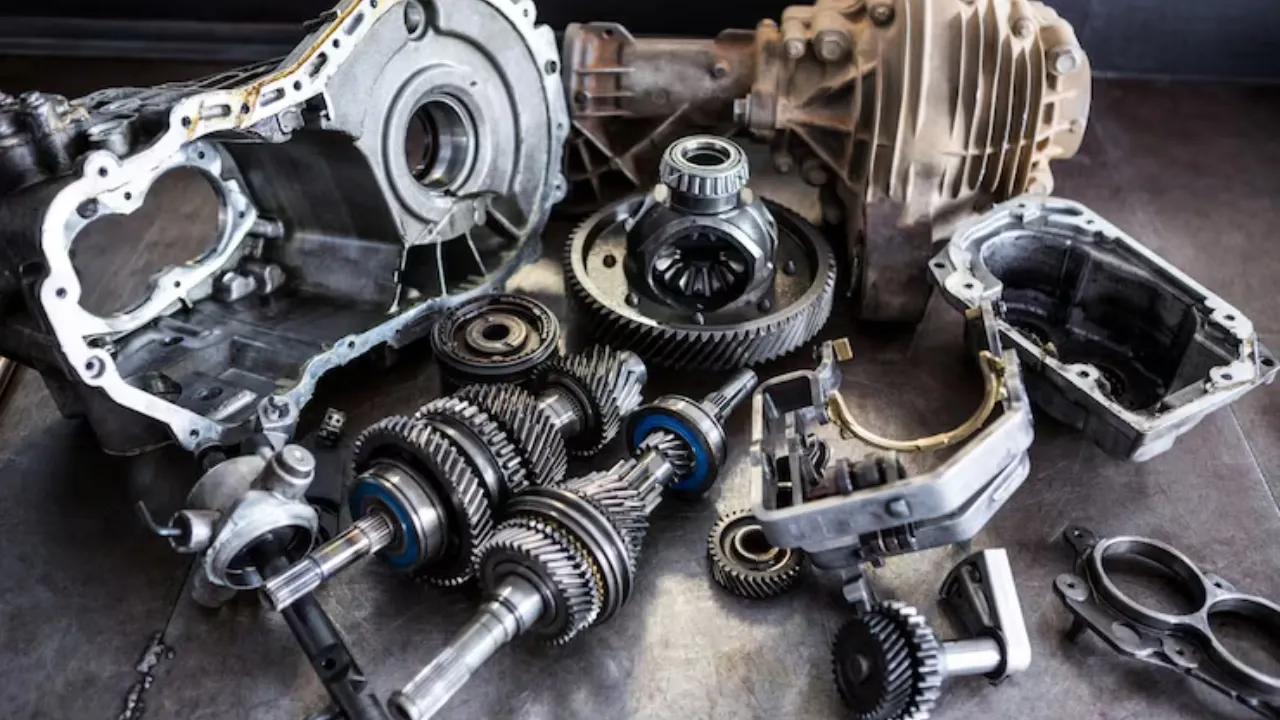
While lubricants maintain smooth operation, genuine spare parts keep vehicles and machinery functioning reliably. OEM-certified components ensure compatibility, durability, and safety.
Using low-quality or counterfeit parts may lead to:
-
Reduced component lifespan
-
Increased risk of breakdowns
-
Poor overall performance
-
Potential safety hazards
From engine components and brakes to bearings and seals, quality spare parts are an investment in vehicle and industrial reliability.
Tips for Choosing the Right Lubricants and Spare Parts
Several factors guide selection:
-
Manufacturer Recommendations: Follow OEM guidelines for specifications and compatibility.
-
Application Requirements: Consider vehicle type, operating conditions, and load requirements.
-
Quality Certifications: Look for ISO, API, and other relevant certifications.
-
Shelf Life & Storage: Ensure proper storage to maintain product quality.
Service centers and industrial operators should prioritize reliability over cost to prevent operational interruptions.
Maintenance Practices for Longevity
Maintaining lubricants and spare parts is as important as selecting the right products:
-
Regular Oil Changes: Replace engine and gear oils according to manufacturer intervals.
-
Periodic Inspection of Components: Check spare parts for wear, alignment, and fitment.
-
Proper Handling and Storage: Avoid contamination and exposure to moisture or extreme temperatures.
-
Record-Keeping: Maintain logs for lubrication schedules and part replacements for better fleet or machinery management.
These practices prolong component life, reduce downtime, and improve efficiency.
Future Trends in Lubricants and Spare Parts
Advancements in lubricant formulations are leading to higher efficiency oils that reduce friction and fuel consumption. Industrial machinery is increasingly using synthetic greases and specialty lubricants for extreme operating conditions.
Spare parts are evolving with precision manufacturing, enhanced durability, and IoT-enabled monitoring for predictive maintenance. Businesses adopting these innovations gain competitive advantages in performance, reliability, and cost efficiency.

 Chat Now