-webp.webp)
Why High-Quality Lubricants Matter for Automotive and Industrial Performance
Lubrication plays a vital role in the smooth operation of vehicles and industrial machinery. From two-wheelers and heavy vehicles to factory equipment and power systems, the right lubricant can significantly impact performance, efficiency, and longevity. Yet, lubrication is often overlooked until mechanical problems arise. Understanding the importance of high-quality lubricants helps prevent breakdowns, reduce operating costs, and extend equipment life.
What Are Lubricants and Why Are They Important?
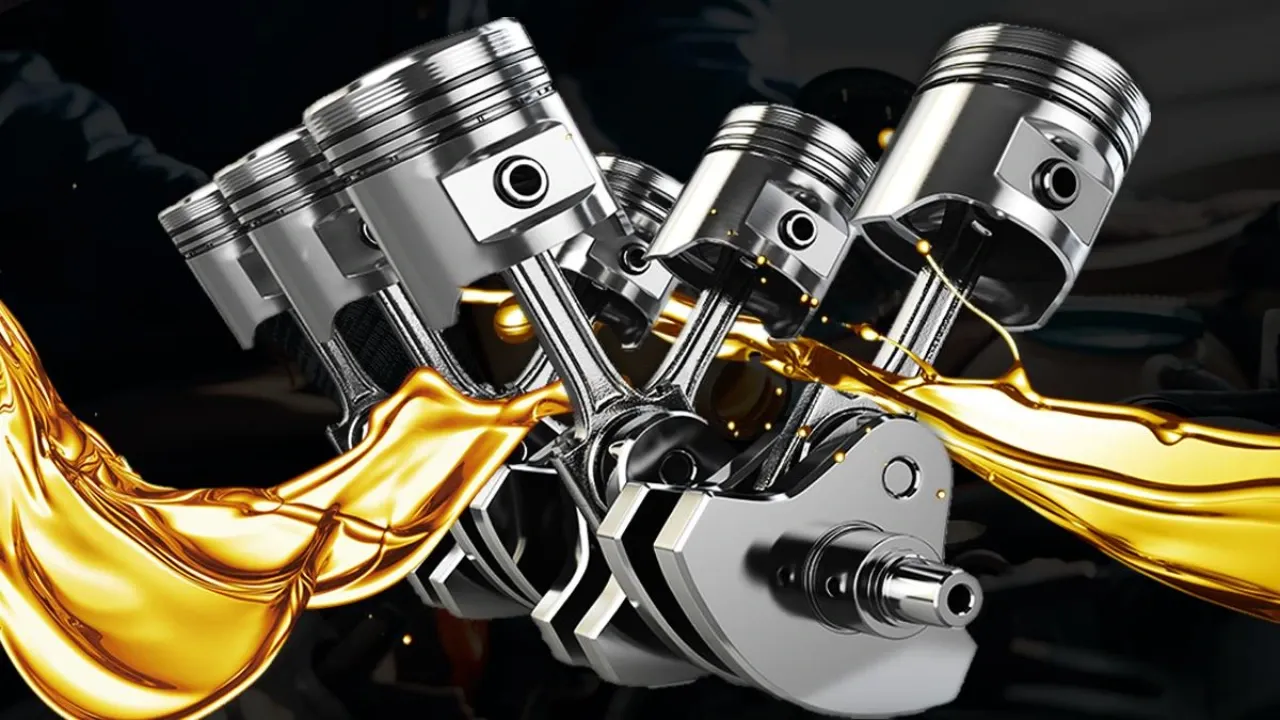
Lubricants are substances—typically oils or greases—used to reduce friction between moving parts. Friction generates heat, accelerates wear, and can lead to equipment failure. Lubricants create a protective layer that minimizes metal-to-metal contact, helping components move smoothly even under heavy loads and high temperatures.
In automotive and industrial environments, lubrication is essential not only for performance but also for safety and reliability.
Types of Lubricants Used in Automotive & Industrial Applications
1. Automotive Engine Oils
Engine oils are designed to protect internal combustion engines by:
-
Reducing friction between moving components
-
Controlling engine temperature
-
Preventing sludge and deposits
They are available in mineral, semi-synthetic, and fully synthetic variants, each suitable for different driving conditions and engine designs.
2. Industrial Lubricants
Industrial lubricants are used in machinery such as gearboxes, compressors, hydraulic systems, and conveyors. These lubricants are formulated to handle:
-
Heavy loads
-
Continuous operation
-
Extreme temperatures
They help maintain stable performance and prevent costly downtime in industrial settings.
3. Greases
Greases are thicker lubricants designed to stay in place, making them ideal for bearings, joints, and chassis components. They provide long-lasting protection where liquid oils cannot be retained easily.
Key Benefits of Using High-Quality Lubricants
✔ Reduced Wear and Tear
Quality lubricants form a stable protective film that minimizes component wear and corrosion.
✔ Improved Efficiency
Lower friction means engines and machines consume less energy, improving fuel efficiency and productivity.
✔ Longer Equipment Life
Consistent lubrication reduces stress on parts, extending service intervals and equipment lifespan.
✔ Lower Maintenance Costs
Preventive lubrication reduces breakdowns and unexpected repairs.
How to Choose the Right Lubricant
Selecting the right lubricant depends on several factors:
-
Operating temperature
-
Load conditions
-
Equipment type
-
OEM recommendations
Using lubricants that meet manufacturer specifications ensures optimal performance and compliance with warranty requirements.
Common Lubrication Mistakes to Avoid
🚫 Using incorrect viscosity grades
🚫 Mixing different lubricant types
🚫 Ignoring lubricant change intervals
🚫 Improper storage leading to contamination
Avoiding these mistakes can significantly improve equipment reliability.
Lubrication in Modern Automotive & Industrial Systems
With advancements in vehicle technology and industrial automation, lubricants today must perform under higher pressures and stricter efficiency demands. Modern formulations are engineered to deliver superior protection while supporting sustainability and reduced emissions.
Conclusion
High-quality lubricants are essential for maintaining automotive and industrial performance. Whether powering vehicles, protecting bearings, or supporting heavy machinery, the right lubricant ensures smooth operation, reliability, and long-term cost savings. Investing in proper lubrication is not just maintenance—it is a strategic decision for performance and durability.

 Chat Now